People are tired. From tiny problems to full-brown chronic issues, the dependency on this medicinal entity is now more than ever. Not tired in the emotional, overworked sense (though that too).
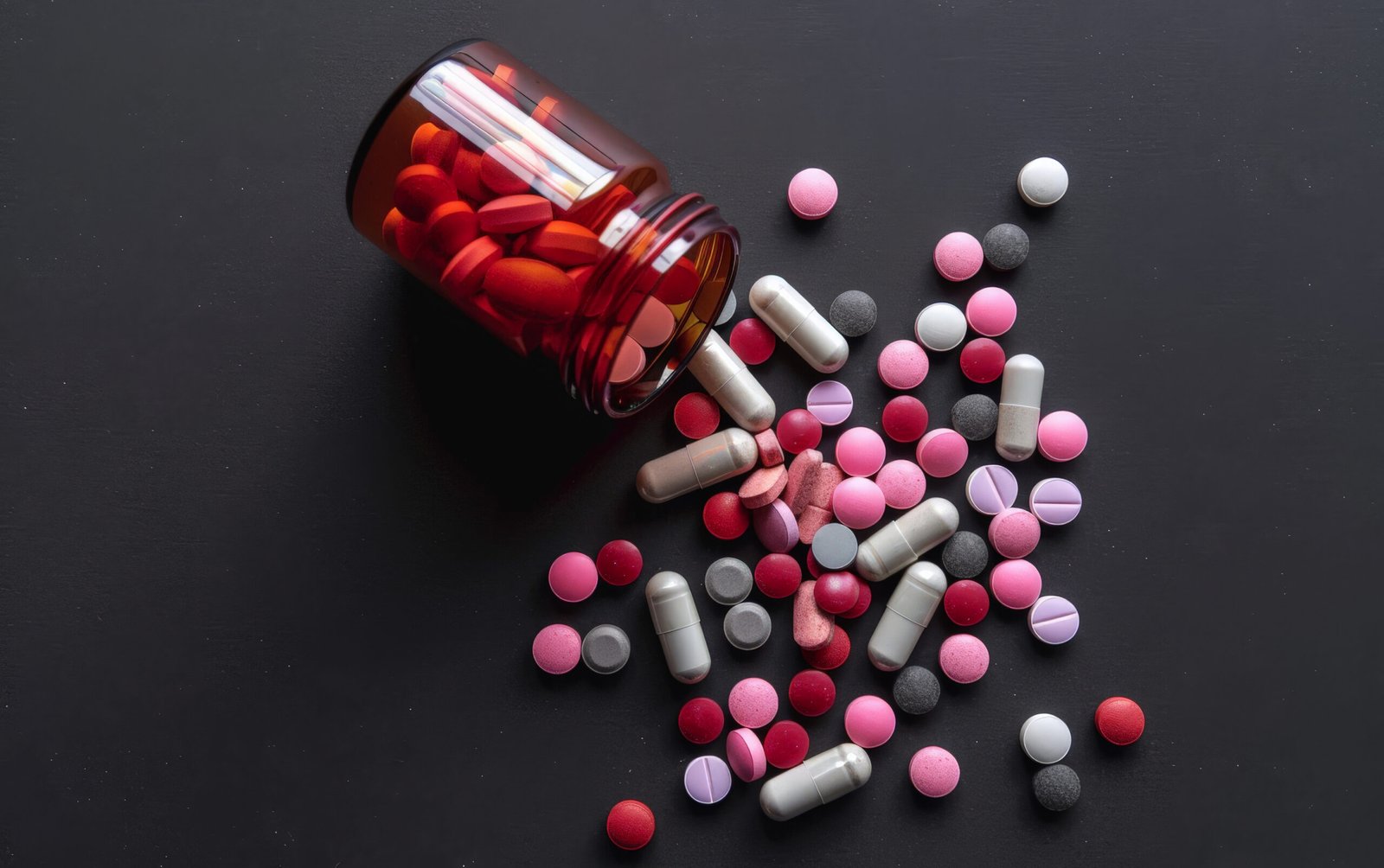
So, what exactly are people tired of? They are tired of pills. Tired of tablets. Tired of the never-ending cycle of “take this after breakfast, take that before bed.”
This is pill fatigue, affecting more than 50% of the people in effective healthcare, but wait. Are these chronic problems even solvable with tablets?
The Problem is Pills and It’s Piling Up. Ten years ago, medication was simple: you took something when you got sick. Today, wellness has become a daily checklist:
- Multivitamin tablet
- Gut health tablet
- Stress tablet
- Skin tablet
- Iron tablet
- Period pain tablet
- Sleep support tablet
Each one is “small,” “quick,” “only once a day.” but not at all “Harmless”. And these things fill a person with a high pill quantity, which is common especially among people with chronic illnesses (kidney disease, diabetes, etc.). where people may end up taking 15–25+ pills a day. That’s not just inconvenient but highly overwhelming.
As pill burden increases, the chance of non-adherence increases, and quality of life drops. So even effective medicines may fail, not because of efficacy but because of “format fatigue.” For instance in chronic kidney disease, a 2023 study found those with ≥ 112 pills/week had significantly higher “treatment burden” than patients with lower pill counts, A 2009 study found that dialysis patients with high pill burden, median 19 pills/day shows lower scores on health-related quality of life (HR-QOL), and nonadherence was common.
Taking other forms of medicinal intake is considered better than pill burden through simplified regimens, better delivery formats, or by methods like sublingual has been shown to improve adherence and quality-of-life.
For people juggling many daily responsibilities, health regimes should not feel like additional chores. Poor design (too many pills, frequent doses, bulky tablets) can create a psychological barrier that undermines treatment. All this supports a strong need for better formulations (e.g. easier-to-swallow, fewer pills, alternate formats) and not just more powerful doses of medicines.
Health researchers and behavioural psychologists have begun pointing to a clear trend which is: Not the treatment. Not the healing. Just the format.
And when Format Fails, Formulation Follows. Such as Rapid-Response Formulation like Precision Potency Protocol (PPP).
This is why 2026 is seeing a major shift toward Liquid-phase Dynamic Micro-dosing (LPDM), right at the intersection of therapeutic intention and effortless consumption.
The Real Question Isn’t “Do We Need One More Tablet?”
It’s, “Why are we taking more medicines, when we need better ways of taking the ones that already work?”
Conclusion:
Tablets were invented for convenience but convenience has evolved. Our lifestyles are faster, our attention spans shorter, our mental bandwidth overstretched. A format that made sense in 1960 doesn’t make sense in 2026.
Modern wellness needs smarter formulations, faster-acting formats, gentler delivery systems, and experiences that reduce cognitive load, not add to it.
Making the core philosophy behind Meethi Golee, ‘If healing is meant to help you, it shouldn’t exhaust you before it even begins’ Providing:
- faster relief without complex dosing,
- familiar flavors instead of bitter tablets,
- small acts of self-care they don’t resist.
Pill fatigue didn’t create Meethi Golee but it explains why its format resonates so deeply with people burnt out by tablets.